
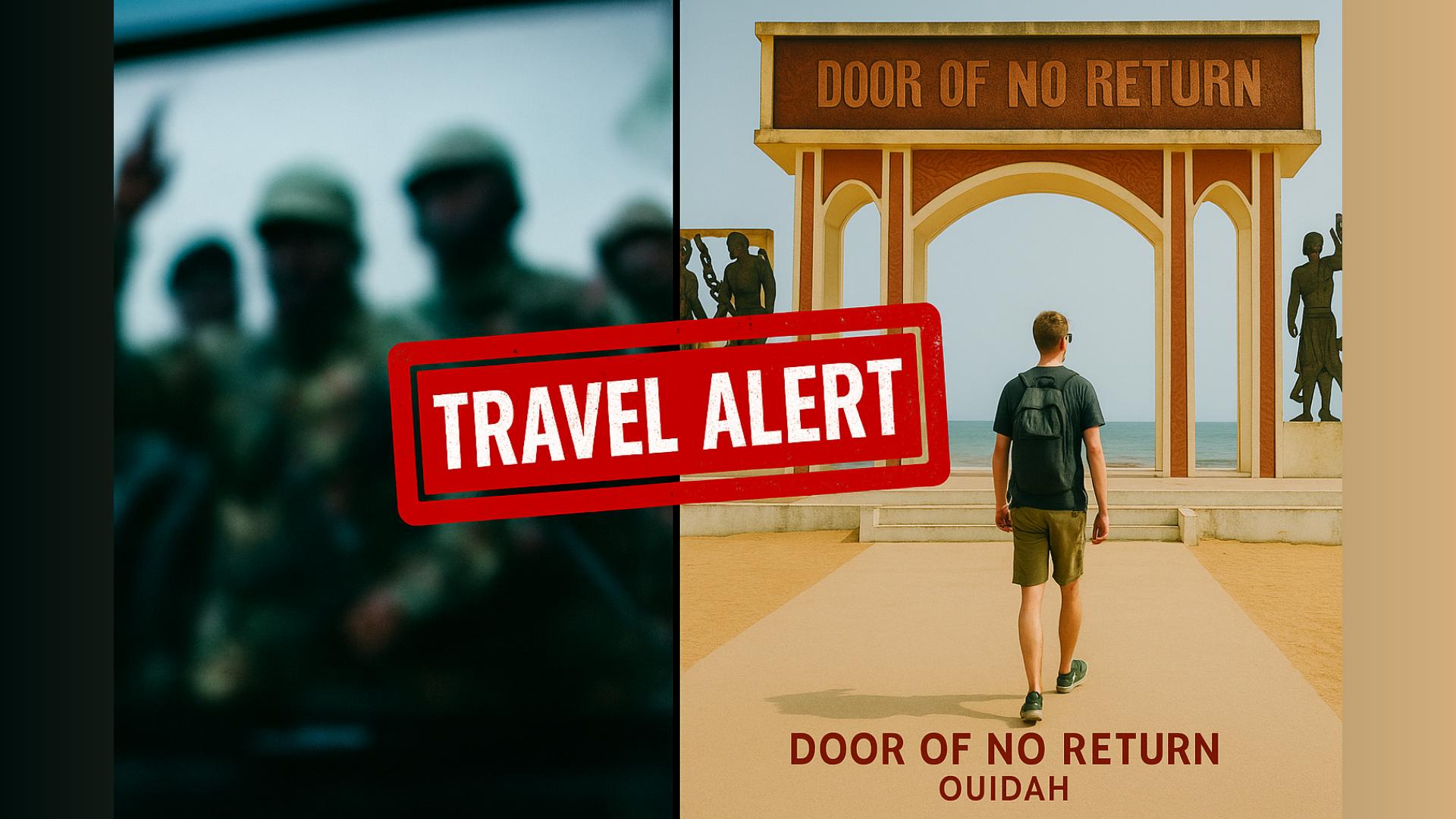
West Africa Crisis 2025: Benin Coup Attempt & Travel Safety
The sudden—and foiled—coup attempt in Benin Republic on December 7, 2025, has sent shockwaves far beyond its borders. When soldiers stormed the presidential palace in Cotonou and briefly seized the national broadcaster, it wasn't just a local news story; it was a flashing red light for global observers.
For years, Benin was seen as a beacon of stability in a region often termed the "Coup Belt." Its sudden wobble, followed by swift military intervention from neighboring Nigeria, raises critical questions for the world. Whether you are a global investor looking at emerging markets, a diplomat tracking democracy, or a tourist planning a December holiday, the rules of engagement in West Africa just shifted.
Why does a failed mutiny in a small nation matter to a global audience? Because stability is contagious—but so is chaos.
Is West Africa Safe to Visit Right Now?
While the immediate coup attempt in Benin was thwarted and order restored, the region remains volatile. Major cities like Cotonou are currently secure but under heavy surveillance. Travelers should exercise "High Caution," avoid government buildings, and register with their local embassy immediately. Cross-border travel by land is currently high-risk due to potential rapid border closures.
1. The "Coup Contagion": A Regional Domino Effect
The December 2025 event in Benin is not an isolated incident. It is part of a broader geopolitical pattern affecting the Sahel and West Africa.
Global analysts call this "Coup Contagion." When one military succeeds in seizing power (as seen previously in Mali, Burkina Faso, and Niger), it emboldens factions in neighboring countries. Benin's near-miss serves as a stark reminder that even "stable" democracies are fragile when surrounded by volatility.
For the global community, this signals a potential disruption in:
- Supply Chains: The Benin-Niger transit corridor is a vital artery for goods.
- Diplomacy: The rapid deployment of Nigerian Air Force jets marks a shift toward aggressive "regional policing" by ECOWAS (Economic Community of West African States).
Pro Tip: When reading geopolitical news, ignore the initial headlines. Look for "Border Status" updates. If land borders close, that is the true indicator of a crisis escalating beyond local control.
2. The "Regional Policeman": Nigeria’s Assertive New Role
The most striking element of the Benin crisis was the lightning-fast response from Nigeria. Within hours of the distress call, Nigerian fighter jets were patrolling Beninese airspace.
This mirrors global dynamics where a regional superpower acts as a security guarantor (similar to the U.S. role in NATO or Australia in the Pacific). For international businesses and expatriates, this is a double-edged sword:
- The Good News: There is a "Big Brother" willing to intervene to maintain order, reducing the chance of prolonged civil war.
- The Bad News: It internationalizes local conflicts. A domestic mutiny can quickly become a regional war involving foreign troops.
Pro Tip: If you are doing business in the region, diversify your logistics. Do not rely on a single port (like Cotonou) for all your imports. Spread your risk across Lome (Togo) and Tema (Ghana).
3. Traveler Survival Guide: Navigating Volatile Zones
If you are currently in West Africa or planning a trip, the Benin incident highlights the need for a "Crisis-Ready" itinerary.
Modern political crises are "hybrid events." They involve physical military movement and digital blackouts. During the Benin attempt, confusion reigned because information channels were choked.
Your Crisis Checklist:
- Digital Redundancy: Have a localized SIM card and a roaming option. In coup situations, internet access is often the first casualty.
- Cash is King: ATMs often freeze during instability. Keep enough USD or Euros cash to last 3-5 days.
- The "Embassy Rule": Register with your country’s "Smart Traveler" program (STEP for USA, Smartraveller for Australia, etc.). This is the only list evacuation teams use if things go south.
Pro Tip: Download offline maps (Google Maps or Maps.me) for the entire region you are visiting. If the internet is cut, you still need to know where the airport is relative to your hotel.
Frequently Asked Questions (FAQ)
1. Is the Benin-Nigeria border open? As of late December 8, 2025, the borders are technically open but experiencing extreme delays due to heightened security checks. Commercial transport is moving, but expect 5-10 hour wait times.
2. Is it safe to fly into Cotonou (COO) right now? Yes. The airport remains under government control and flights are operating. However, verify your flight status before heading to the airport, as airlines may cancel at short notice if tensions flare again.
3. What actually happened in Benin on December 7? A faction of the military, led by Lt. Col. Pascal Tigri, attempted to seize power. They briefly took over the state broadcaster but were overpowered by loyalist forces and Nigerian air support. The President remains in power.
4. Will my travel insurance cover a coup attempt? Most standard policies exclude "acts of war," "civil unrest," or "coup d'états." You need a specialized "High Risk" or "Political Evacuation" add-on to be covered for these events. Check your fine print immediately.
5. How does this affect Nigeria? Nigeria is currently secure, but its military is on high alert. You will see increased security checkpoints in Lagos and border states like Ogun. This is a precaution, not a sign of internal trouble.
Conclusion
The 2025 coup attempt in Benin Republic is a reminder that in our interconnected world, stability is never guaranteed. However, with the swift intervention of regional powers and a return to constitutional order, the immediate danger has passed.
For the global traveler and investor, the lesson is clear: Awareness is your best defense. Stay informed, stay flexible, and respect the local dynamics.
Were you in West Africa during the December 7 scare? Share your experience in the comments below—your updates could help fellow travelers stay safe.